The fault code P0017 may indicate that the camshaft or crankshaft of the engine is malfunctioning. These two components are vital to the engine’s performance and must be in perfect sync. The engine control module can generate the P0117 error code if the signals sent by the camshaft and crankshaft position sensors do not match. The bank 1 is the side of your engine that contains the first cylinder. Sensor B is the side of the exhaust camshaft.
Table of Contents
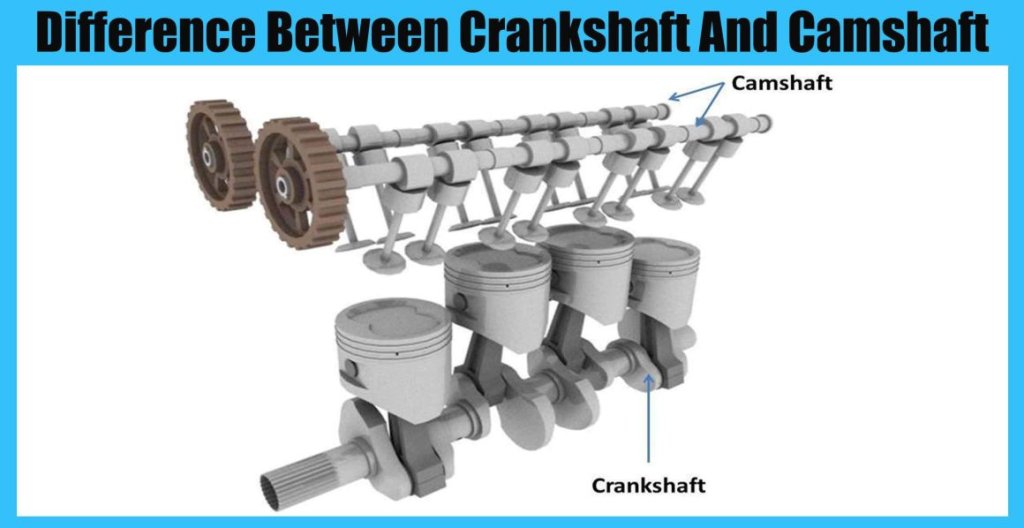
Crankshaft and Camshaft
Internal combustion engines capture air and spray a small amount of fuel on it. The piston’s pressure causes the mixture to be compressed in the dead center of the top. A spark plug is used to ignite the mixture just before the piston reaches its top. The power generated by the mixture turns the crankshaft and provides torque to the wheels through the transmission. All these processes (intake (increased pressure), ignition (increased heat), and exhaust (exhaust)) are carried out over two full revolutions of the crankshaft (720 degrees). The engine will run smoothly if these events happen at the exact right time. The camshaft is equipped with ‘cam-lobes’ in the shape of an egg. These lobes are pressed against the lifters by the camshaft as it rotates. This opens the valves. Each valve must open and close at the exact right time.
This can only happen if the camshaft controls the valves and the crankshaft provides the initial movement. The crankshaft produces the power to turn the camshaft, and it also supplies torque to the gearbox.
The camshaft is driven by the crankshaft using a toothed or chained belt. Modern engines come with sensors that measure speed and position. These sensors provide information to the vehicle’s engine controller (ECM/PCM/ECU), the unit that controls the engine. This allows it to time fuel injection and ignition.
The timing belt or chain may be damaged (wear, elongation of the teeth, slackening etc.). This will result in misalignment between the camshaft, crankshaft, and the valves. Air/fuel mixtures will be uneven, and combustion will not take place.
The ECM/PCM/ECU will display one or more fault codes if it detects an abnormal situation related to the timing between the crankshaft/camshaft. These include P0008, P0009 and P0016.
Possible Causes of Fault Code P0017
- A faulty crankshaft or camshaft, or a damaged timing chain or belt.
- Faulty crankshaft sensor
- Faulty camshaft sensor
- Cables or connections that are loose
- Damaged tensioners/guides for chain/belt
- Faulty variable valve timer (VVT), actuator
- Faulty solenoid for variable valve timing (VVT), (oil control vale)
- ECU Fault
- Low Engine Oil Level
- The engine oil viscosity is incorrect
- Clogged oil lines
What are the symptoms of fault code P0017?
- Engine fault light illuminated
- The engine may turn but not start
- Unregular engine operation
- Engine power reduction and hesitation when sudden acceleration occurs
- Engine knocking noises
- Fuel consumption increases
P0017 Fault Code: How to Fix It?
- Resetting the engine fault code and confirming that the problem persists
- Checking the engine oil and changing it
- Replace the position sensor of the camshaft that is faulty
- Repairing the cable connection of the OCV or camshaft sensor
- Replace the engine control module if it is faulty
- Replace the timing gears and belt, as well as the chain.
- After a repair, perform a carbon cleaning on the engine
How Important Is Fault Code P0017?
The buildup of carbon in an engine can lead to spark plugs that are dirty and do not fire. The timing chain, the timing belt, the tensioners, and the guides may be defective, causing major engine damage. This is due to the collision of the pistons and valves. The vehicle can be adversely affected by using it in this condition over a prolonged period. This could lead to misfiring, stalling, and failure to begin. Repairs must be made as soon as possible.