

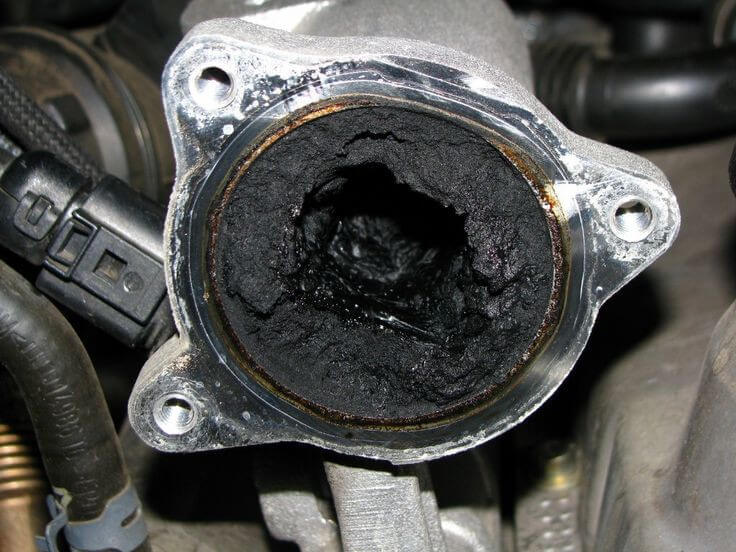
Hi fellas, I would like to know how can i maintenance my Golf‘s EGR such as cleaning and keep it smooth. Can you give me a guide for that ? Thanks in advance.
Please briefly explain why you feel this question should be reported.
Please briefly explain why you feel this answer should be reported.
Please briefly explain why you feel this user should be reported.
Volkswagen Diesel Car EGR Systems: Their Purpose, Failure Mode and Solutions
Just a quick moment, buddy — put that VW aside and listen up! We’re going to discuss something that may not sound exciting: your Volkswagen diesel’s EGR system.
EGR (Exhaust Gas Recirculation) is not designed to increase horsepower or make your exhaust smell like flowers; rather, its purpose is to ensure your emissions stay clean and keep you out of trouble with environmental authorities.
Let’s open up the hood and examine exactly what this device does, why it causes so many headaches, and how we can prevent it from turning your diesel pride into an embarrassment.
What an EGR System Does and Why Volkswagen Adore It
Here’s the short version:
A diesel engine uses fuel and air for combustion. This process produces power but also emits harmful NOx emissions (nitrogen oxides), which are hazardous both to your lungs and the environment.
EGR systems perform a simple yet brilliant function – recycling part of your exhaust gas back into the intake, helping lower combustion temperatures and hence NOx production. By mixing old and new air, EGR reduces NOx emissions significantly.
Volkswagen employs an intricate diesel system in their diesel models such as the Golf TDI, Passat TDI, Jetta Touran Tiguan and Amarok models. Most have both high pressure EGR (direct from exhaust manifold) and low pressure EGR (after DPF). Add to that a cooler for maximum effectiveness – and you have yourself an ingenious yet complex system!
But here’s the catch: all that soot and carbon produced by your diesel engine goes directly through that EGR valve.
Common EGR Issues in Volkswagen Diesels
If you own a diesel Volkswagen for more than one or two years, chances are the Check Engine Light of Doom has already made an appearance. Most often it’s either the DPF or EGR at fault; let’s explore these potential solutions further.
1. Carbon Buildup
Diesel soot and unburnt fuel combine inside the EGR, forming thick black crud that clogs everything up. A dirty EGR valve may become stuck open or closed, leading to rough idling, reduced power output or even massive smoke clouds that make you look like a chimney on wheels!
2. EGR Cooler Failure
Volkswagen diesels contain an EGR cooler which uses engine coolant to help regulate gas temperature. Unfortunately, over time this component can crack or leak and lead to coolant loss and white smoke from the exhaust pipe – and even cooler loss! If your coolant suddenly appears to have vanished without explanation or is disappearing without trace from its reservoir without explanation, consider that its EGR cooler may have eaten up all your engine coolant as its source.
3. Malfunction of EGR Actuator or Sensors
Modern EGRs are electronically managed. A broken actuator, position sensor or wiring issue could render your EGR nonresponsive; you might see fault codes like P0401 (EGR insufficient flow) or P0402 (EGR excessive flow).
4. Knock-On Effects
When EGR systems malfunction, their failure can have knock-on effects that impact other parts of the engine and its components – including turbocharger, intake manifold and DPF filters. Just one instance where soot piles up can result in multiple adverse results across other areas.
Symptoms of a Failing EGR Valve
Here’s what to keep an eye out for before the problem becomes serious:
If your VW starts acting like an old man during winter — coughing, sputtering or refusing to breathe correctly — its EGR might be struggling for airflow and might need attention.
How to Diagnose EGR Problems Like an Expert (Without Losing Your Mind)
Doing the proper EGR health inspection doesn’t take an expert to achieve, with just a few straightforward steps and the appropriate tools providing accurate results.
Clean Your EGR Valve With Precision to Preserve Performance — The Mechanic’s Routine
Here’s where things start getting messy — quite literally.
How to Clean an EGR Valve Safely
Cleaning an EGR filter doesn’t take rocket science – but it can be messy, and will stink of burnt diesel and regret! Plan on doing it every 30,000-60,000 km (or once annually if your commute involves short city trips).
When to Replace an EGR (Because Sometimes Cleaning Won’t Help Save It)
At times, an EGR may become too far gone for repair. If its actuator is no longer operating properly, its valve has broken or its cooler is leaking coolant like an old kettle then a replacement unit may be necessary.
When replacing, only use genuine or OEM-quality parts – cheap eBay valves may soon come tumbling down! After installation, use a diagnostic tool to reset EGR adaptations; that will let your ECU know about its new lung.
Expect to spend between £400-£800 (roughly $500-$900) when shopping at reputable shops for your model.
Preventive Maintenance Tips From an Experienced Mechanic (Part One and Two)
If you don’t want your EGR turning into an elaborate carbon sculpture again, here is what I advise:
Follow these steps, and your EGR system will last longer and so will your peace of mind.
EGR Deletion? Let’s Talk Openly About It
Some VW owners online swear that removing the EGR system completely makes their engine cleaner, cooler, and more powerful – claims which may or may not be true depending on your state of law. Technically they could be right; legally however they could be treading dangerous waters.
Deleting the EGR is illegal in most countries and will cause your car to fail emissions tests, while modern VWs use EGR data for fueling and boost control; taking this action would disrupt this balance and potentially result in catastrophic consequences.
So unless you’re operating a dedicated off-road vehicle (and possess the necessary paperwork), it is wise to maintain optimal EGR performance and functionality.
Final Thoughts: Keep Breathing Right
Your Volkswagen diesel’s EGR system might not look pretty, but it’s absolutely essential. Think of it as your vehicle’s recycling system: taking used exhaust and giving it another shot.
Maintain a tidy, functional office and you’ll surely benefit from it:
Reduced emissions for improved fuel efficiency. Improve engine smoothness. Fewer check engine surprises.
So the next time your VW acts up, don’t just blame its DPF or turbo. Open the hood, grab a flashlight, and check the EGR valve; it could just be why your diesel seems out of breath.
Wow , that’s such a great guide for how to maintenance my Golf’s EGR.
I am so greateful for that!
What kind of sprays should I use to clean my EGR ?
You can use brake cleaners with toothbrush and some clothes to wipe it out but you should avoid to use cheap / low quality brake cleaners.