
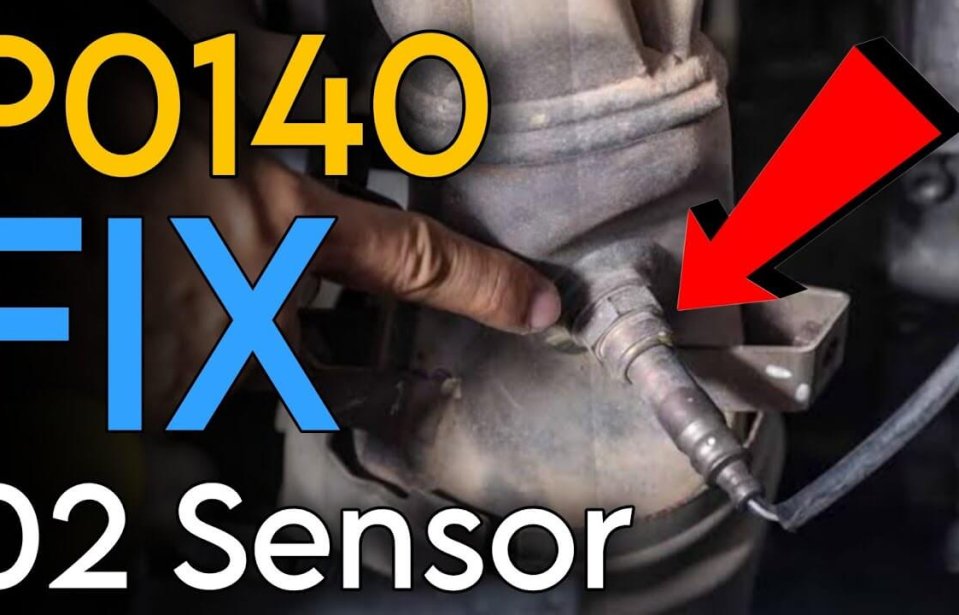
Engine control modules (PCM/ECM/ECUs) rely on oxygen sensors for adjusting engine performance and controlling emission levels. The PCM will display fault code P0140 if the oxygen sensor downstream from the catalytic convert (Sensor 2). This is a weak or non-functioning ...
Category: Diagnostic Trouble Codes
Welcome to our Diagnostic Trouble Codes Blog — your reference point for understanding what your car’s fault codes really mean.
Discover clear, easy-to-follow articles explaining OBD-II codes, common causes, symptoms, and recommended fixes across all major vehicle systems.
From check-engine lights and sensor faults to emissions and drivability issues, our content helps you move from code to cause with confidence.
Learn how to interpret fault codes correctly, avoid unnecessary repairs, and diagnose problems the smart way.
Ask4Auto Latest Articles
P0411 Secondary Air Injection System Incorrect Flow Detected Fault: What is it?
The secondary air system lowers emissions by providing fresh air to exhaust systems. The older vehicles have a belt driven air pump while the newer models use an electric pump. The system is used to quickly heat up the catalytic ...
P0125 Insufficient Coolant Temperature for Closed Loop Fuel Control Fault: What is it?
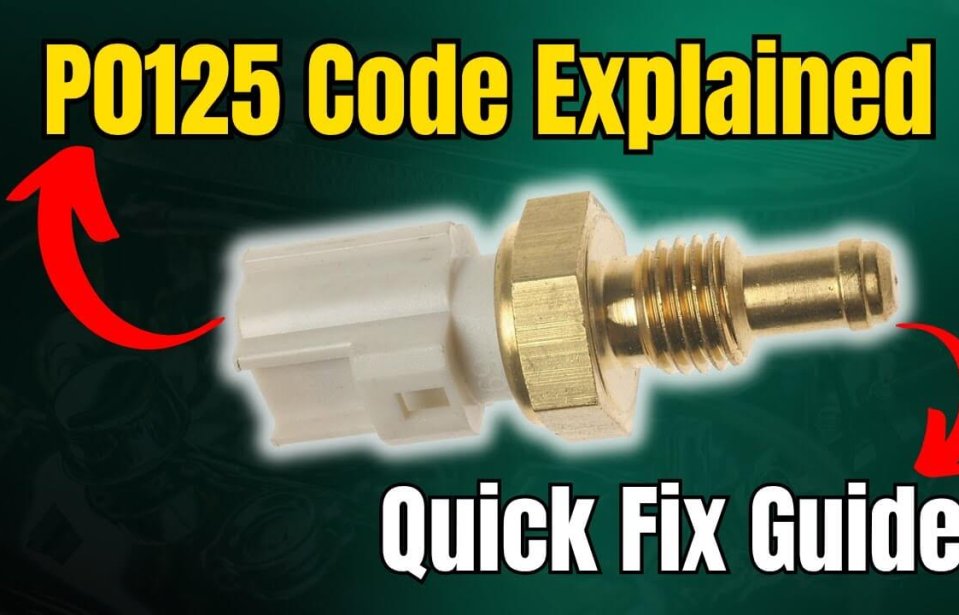
The engine temperature must be reached within a specified time after starting the vehicle. Engine control units (ECU/PCM/ECM), have a preset value. Engine temperature is crucial for overall vehicle performance. Fuel vaporization is efficient when the temperature of the fuel ...
P0316 Engine Misfire was Detected During the First 1,000 Revolutions Upon Startup Fault: What is it?
The PCM may disable a misfiring cylinder to prevent further engine damage. The P0316 fault code is often recorded along with one or more P0300-series codes that are associated with the misfiring(s).Other fault codes that are related to P0316 include: ...
P0562 System Voltage Low Fault: What is it?
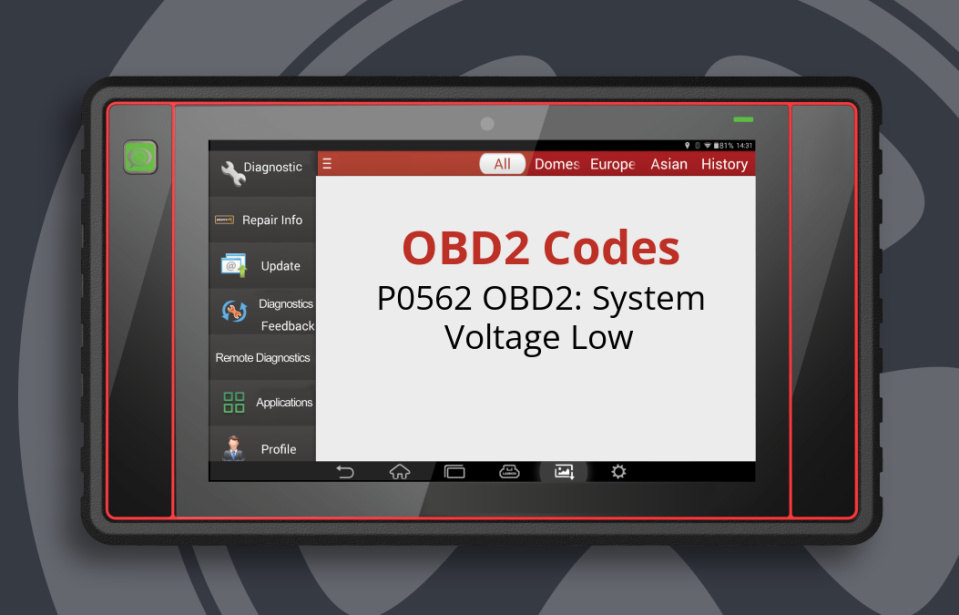
The power control module is designed to alert you when there is an issue with your vehicle. It will display a fault code if it detects an issue. This helps you to diagnose the problem and fix it. The PCM ...
P0037 Heated Oxygen Sensor (HO2S) Heater Control Circuit Low (Bank 1, Sensor 2) Fault: What is it?
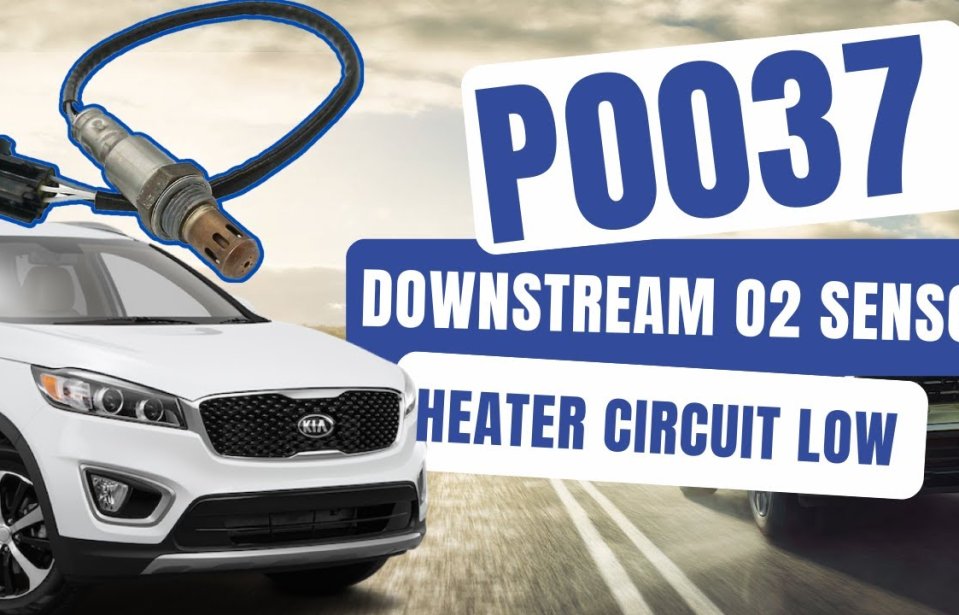
To operate efficiently, an engine must have the correct air-fuel ratio. The PCM/ECM (powertrain control module) decides how much fuel is injected into the engine. The sensors around the engine help it calculate the correct levels. The oxygen sensor (O2) ...
P0404 Exhaust Gas Recirculation (EGR) Circuit Range/Performance Fault: What is it?
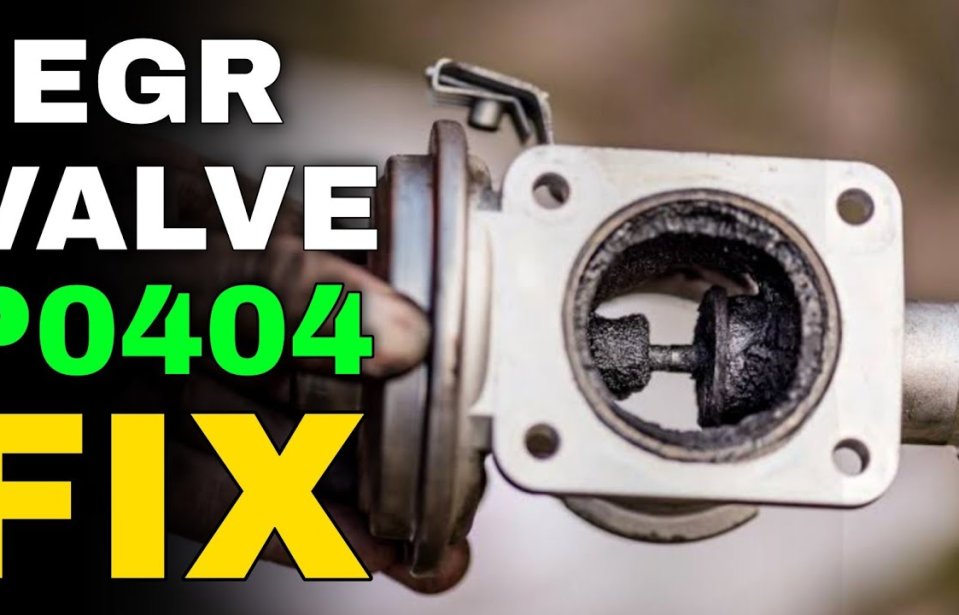
This indicates that the EGR valve or sensor is operating outside of parameters set by the manufacturer. The EGR sensor or valve is not operating within the parameters set by the manufacturer. The cylinder temperature is lowered, which reduces nitrogen ...
P0306 Cylinder 6 Misfire Detected Fault: What is it?
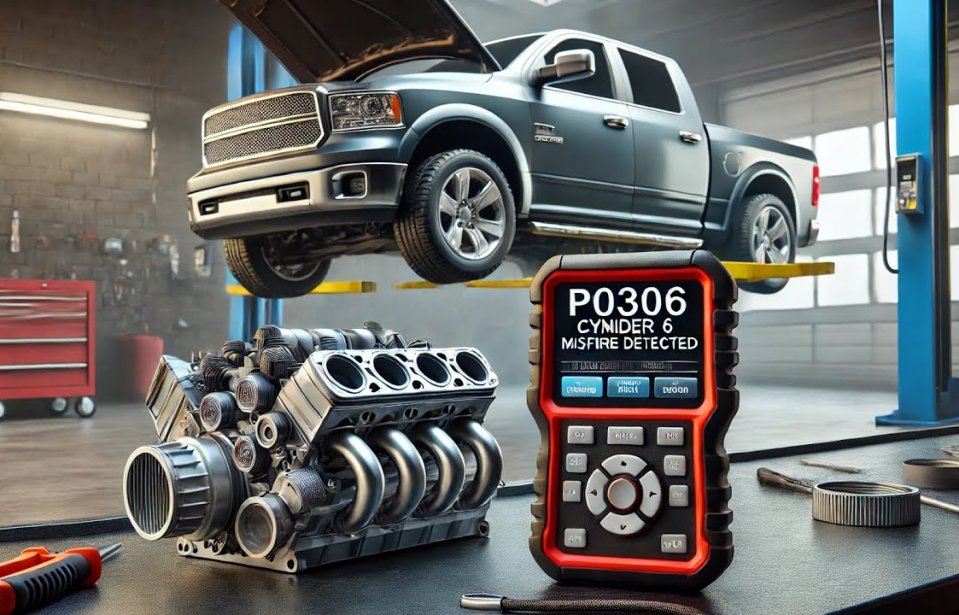
The cylinders in engines convert fuel into mechanical power. To maximize engine power, the air-fuel mix in the cylinders must be ignited at just the right time. The P0306 code will be recorded if a misfire is detected in the ...
P0131 Oxygen Sensor Circuit Low Voltage (Bank 1, Sensor 1) Fault: What is it?
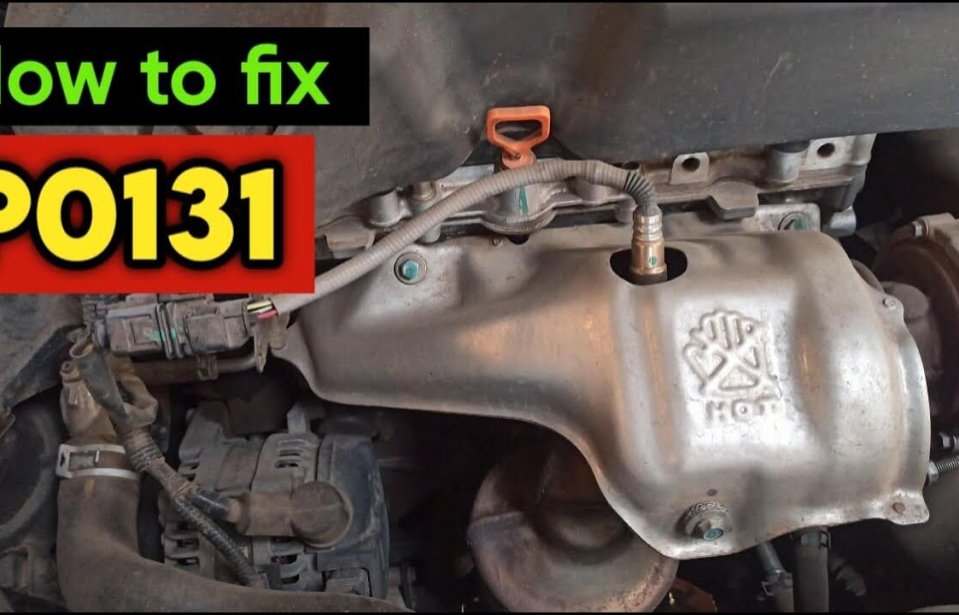
Oxygen sensors are used to measure the amount oxygen in exhaust gases. The Powertrain Control Module of your vehicle (PCM/ECM/ECU), calculates fuel control using the signal received from the oxygen sensor located upstream (sensor 1), which is located before the ...
P0137 Oxygen Sensor Circuit Low Voltage (Bank 1, Sensor 2) Fault: What is it?
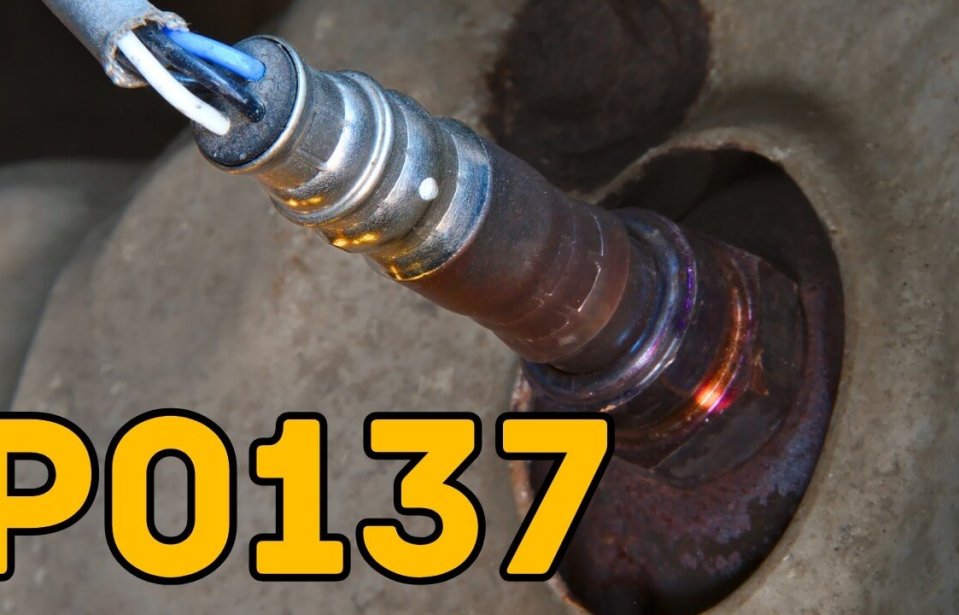
The main computer of your vehicle (PCM/ECM/ECU), triggers the fault code P0137 if it detects an oxygen sensor voltage below the pre-programmed parameters by the manufacturer for a period of time. The code indicates an excess of oxygen in exhaust ...