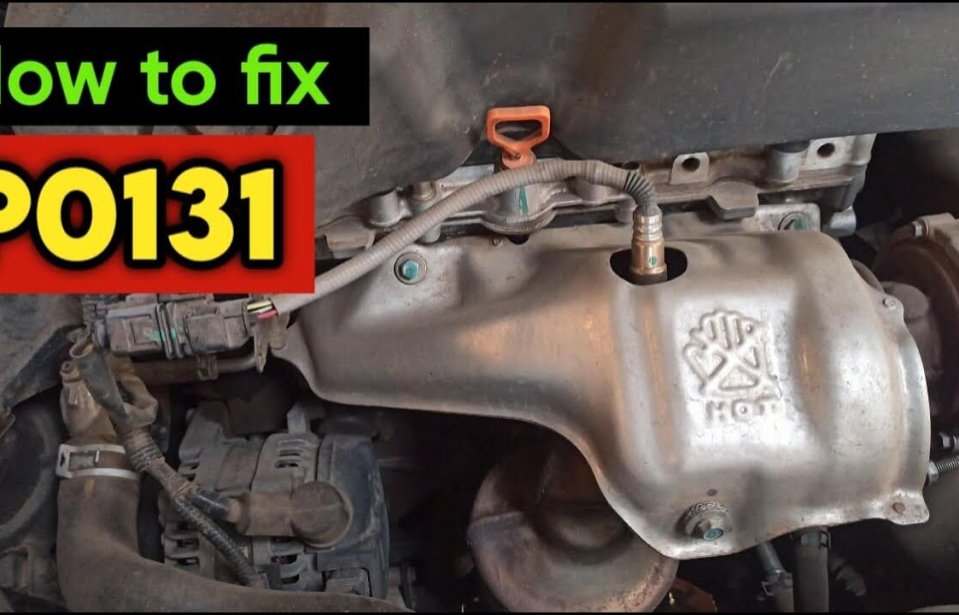
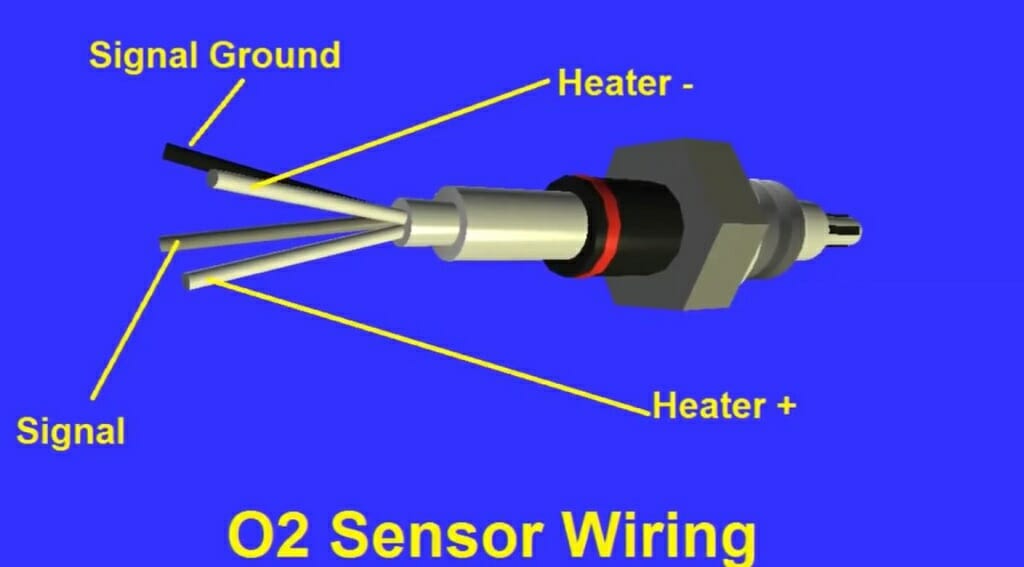
Oxygen sensors are used to measure the amount oxygen in exhaust gases. The Powertrain Control Module of your vehicle (PCM/ECM/ECU), calculates fuel control using the signal received from the oxygen sensor located upstream (sensor 1), which is located before the catalyst converter. The PCM will set fault code P0131 if the sensor outputs a low-voltage signal that is outside of the specified range or if there are problems with the air/fuel ratio. The Bank 1 code indicates the part of an engine that has the 1st cylinder. The PCM regulates the amount of oxygen that is in the exhaust gases before they reach the catalytic convertor.
Low voltage from the oxygen sensors indicates that there is low oxygen in the exhaust. This is an indication of the engine running richly (too much fuel + not enough air). The PCM reduces the amount of fuel that is going to the engine.
If the opposite is true (high voltage), it means that the engine is running lean due to too much exhaust air and too little fuel (too little air + too much fuel). The PCM will increase the fuel to compensate for excess air.
Wide-range oxygen sensors (WRAF) are standard on newer vehicles. These oxygen sensors do not only work with high- or low-voltage signals. They can alter sensor signals in order to determine the amount of oxygen present in the exhaust, and then reflect that directly to the PCM. They can detect very lean mixtures of air and fuel by making precise measurements. The result is improved fuel economy and engine performance.
Table of Contents
What are the possible causes of fault code P0131?
- Problems with oxygen sensor and air-fuel sensor
- Faults within the oxygen sensor circuit or air fuel ratio sensor heater
- Worn oxygen sensors cables or loose connectors
- Vacuum leaks from the exhaust system
- Low fuel pressure
- Faulty temperature sensor for engine coolant
- PCM software that is outdated
- PCM Fault
What are the symptoms of fault code P0131?
PCM regulates fuel using data from oxygen sensors or air-fuel ratio sensors. The engine will not function properly if a sensor fails.
- Idle fluctuations
- Engine misfiring, or stalling
- Fuel consumption increases
- Increased exhaust emissions and exhaust odour
- Exhaust smoke is heavy
- Difficulty in starting the vehicle
Note: If P0131 is stored with other codes, the symptoms and causes may be different from those listed.
How to Fix Fault Code P0131?
- Check for other fault codes, including P0131, and reset them all. If the code returns, inspect the oxygen sensors (bank 1, sensor 1) and their cables and connectors. Replace any worn, frayed or broken cables, and tighten loose connector connections.
- Perform a voltage test to ensure that the sensor operates within the range specified.
- If the engine fault indicator remains lit, replace the oxygen sensors.
How Serious is Fault Code P0131?
The PCM will illuminate the engine fault lamp and switch the vehicle into fault safety mode when it detects an oxygen sensor fault. The PCM prevents the catalytic convertor from being damaged by adjusting the air-fuel mixture to a fixed level. The vehicle will not perform well if you continue to drive in this way without fixing the problem. Fuel consumption can increase if the engine misfires, stalls, or stalls. The engine can stall in extreme situations.