Gearbox technology is directly related to driving comfort, fuel efficiency and performance in the automotive industry. In recent years, DSG (Direct Shift Gearbox) or Dual Clutch Automatic Transmission has become a popular system. DSG combines the benefits of an automatic transmission with the performance of a manual transmission. What is DSG? How does it operate and how does DSG differ from other transmissions. Lets take a closer view.
Table of Contents
What is DSG Transmission?
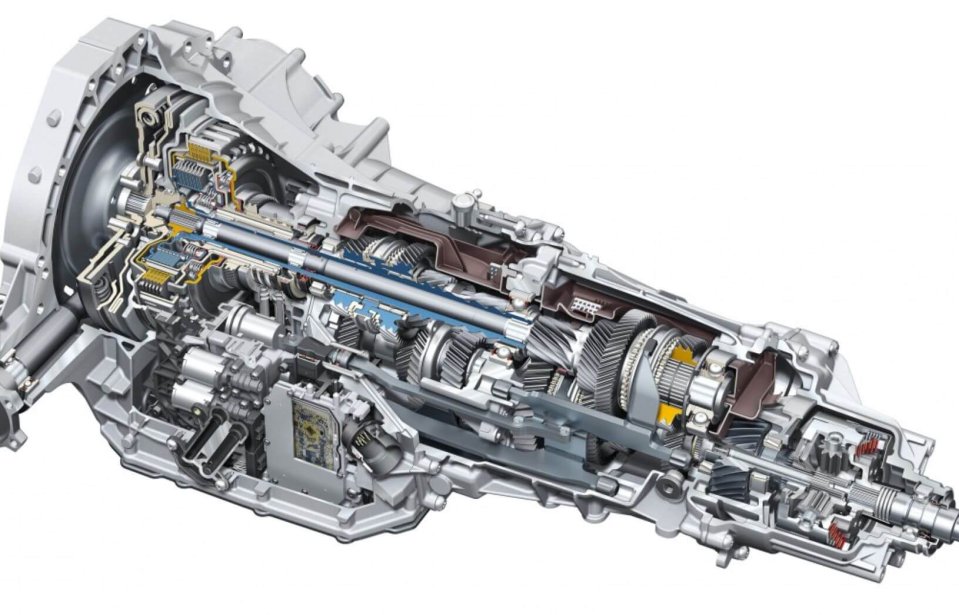
DSG is a name that Volkswagen Group brands use for Dual-Clutch Transmission Technology. The basic principle is using two clutches in order to make gear shifts very quickly and seamlessly.
- Single clutch: Controls gears 1, 3, 5 (and 7 in some models)
- Other clutch: controls gears 2, 6, 8 (and in some models, 8, if applicable)
The DSG combines the efficiency of a manually operated gearbox with comfort of an automated gearbox.
How Does DSG Transmission Work?
During gear changes, one clutch is in use while the other clutch prepares for the next gear. The gear change can be made in milliseconds.
How DSG works:
- When the driver presses on the accelerator pedal, the vehicle accelerates.
- The clutch is active when the gear in use is engaged.
- The other clutch is used to prepare the next gear.
- This gear change is instantaneous, minimizing power loss.
DSG is available in automatic and manual modes. Manual mode allows drivers to change gears by using the steering wheel paddles and gear lever.
Advantages of DSG Transmission
The gear shifts are fast and smooth.
DSG’s dual-clutch system allows gear changes to be completed in just 100-200 microseconds.
It provides a smoother and faster driving experience than conventional automatic transmissions.
Fuel Economy
DSG reduces energy losses as it doesn’t use a torque convertor.
It allows for optimum engine revs and reduces fuel consumption
Both Manual and Automatic Mode
DSG provides the driver with both automatic comfort as well as manual control.
The steering wheel paddles are perfect for drivers who like to drive fast and sporty.
Sport Performance
DSG gearboxes can be found in vehicles that are geared towards performance.
The 0-100 accelerations and driving experience are enhanced by rapid gear changes.
Enjoy a quiet and comfortable drive
The vehicle rides smoother and gear changes are virtually imperceptible.
Driver comfort is high even in stop-start traffic.
Disadvantages of DSG Transmission
High Cost
DSG transmissions are expensive to maintain and repair due to their complex mechanical and electronic design.
Vibrations at Low Speed
Some DSG models may feel vibrations, especially in low-speed traffic or stop-start traffic.
The dual clutch design of the system has been improved by software updates.
Complex Repair
Structure of the dual clutch and mechatronic controller unit is complex.
If a fault occurs, specialised servicing and equipment is required.
Overheating Issue
In high temperatures or heavy traffic, the DSG gearbox can overheat.
To resolve this problem, some models are equipped with additional cooling systems.
Which Vehicles Use DSG Transmission?
DSG is used in Volkswagen Group cars:
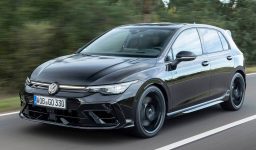
- Volkswagen: Golf GTI, Passat, Tiguan
- Audi: A3, A4, Q3, S3
- Skoda: Octavia, Superb
- SEAT: Leon, Ateca
DSG vs DCT: What is the Difference?
DSG is actually DCT (Dual Clutch Transmission). The difference is:
- DCT: Dual-clutch technology is a general term that refers to the dual-clutch gearboxes found in various brands (such as Ford Hyundai BMW).
- DSG is the name Volkswagen Group has given the DCT technology.
DSG, in other words is a brand-name version of DCT.
The DSG gearbox is a combination of automatic comfort and manual performance.
It is perfect for drivers who are looking to get the most out of their driving.
DSG is a great achievement in automotive technology, despite its shortcomings. It offers comfort, efficiency and speed to users who are looking for long-term benefits.