
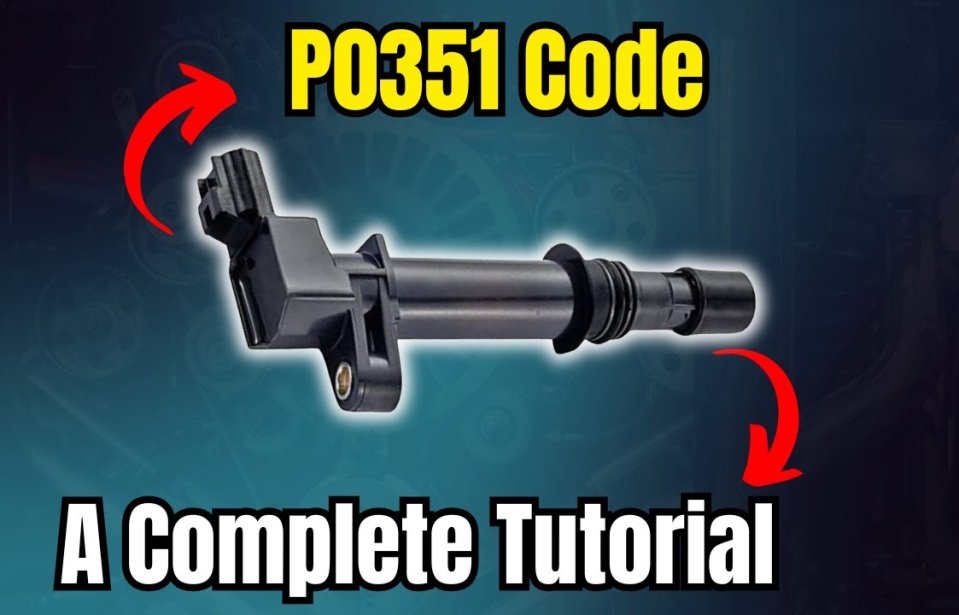
The P0351 diagnostic fault code is an OBD2 general fault code that indicates a fault with the ignition coil circuit ‘A.’ This code indicates that there may be a problem with the circuit or ignition coil in cylinder 1. There ...
Category: Diagnostic Trouble Codes
Welcome to our Diagnostic Trouble Codes Blog — your reference point for understanding what your car’s fault codes really mean.
Discover clear, easy-to-follow articles explaining OBD-II codes, common causes, symptoms, and recommended fixes across all major vehicle systems.
From check-engine lights and sensor faults to emissions and drivability issues, our content helps you move from code to cause with confidence.
Learn how to interpret fault codes correctly, avoid unnecessary repairs, and diagnose problems the smart way.
Ask4Auto Latest Articles
P0138 O2 Sensor Circuit High Voltage (Bank 1, Sensor 2) Fault: What is it?
All modern cars come with at least two oxygen sensors. Both sensors measure the amount of oxygen present in the exhaust. These sensors provide data to the PCM for different purposes. The oxygen sensor upstream is the first sensor. This ...
P2646 ‘A’ Rocker Arm Actuator System Performance Stuck Off (Bank 1) Fault: What is it?
The fault code P2646 usually indicates a low engine performance. This is a generic OBD-II fault code that can be used by many different makes and models. Some vehicles, like the Honda Civic, have a Variable Valves Timing and Lift ...
P0741 Torque Converter Clutch (TCC) Circuit Performance or Stuck Off Fault: What is it ?
P0741 is an OBD-II general code that can be seen on a variety of makes and models. This code is for the torque converter solenoid or clutch (TCC) of the automatic transmission. The Engine Control Unit (ECU), which is responsible ...
P0740 Torque Converter Clutch (TCC) Circuit Malfunction Fault: What is it?
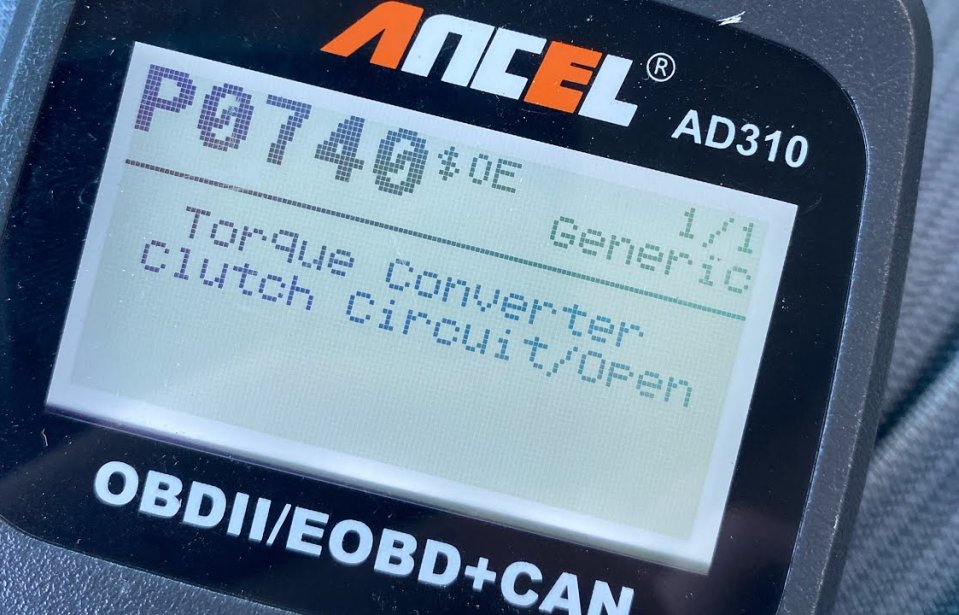
The fault code P0740 indicates that there is a problem with the circuit of the torque converter clutch. When the powertrain control module detects a condition abnormal in the circuit that controls the torque converter solenoid, it generates the fault ...
P0463 Fuel Level Sensor Circuit High Input Fault: What is it?
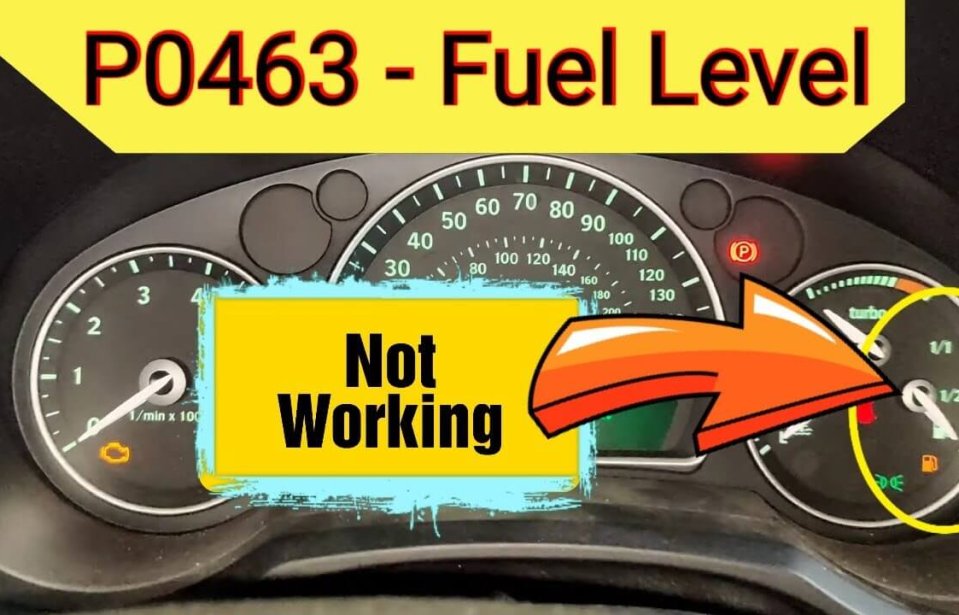
Powertrain Control Modules (ECM/PCM/ECUs) are responsible for monitoring fuel level sensor signals. The information obtained from this sensor is used to adjust fuel gauges on the instrument panel to reflect the actual amount of fuel remaining in the tank, and ...
P0335 Malfunction in the Crankshaft Position Sensor “A” Circuit Fault: What is it ?
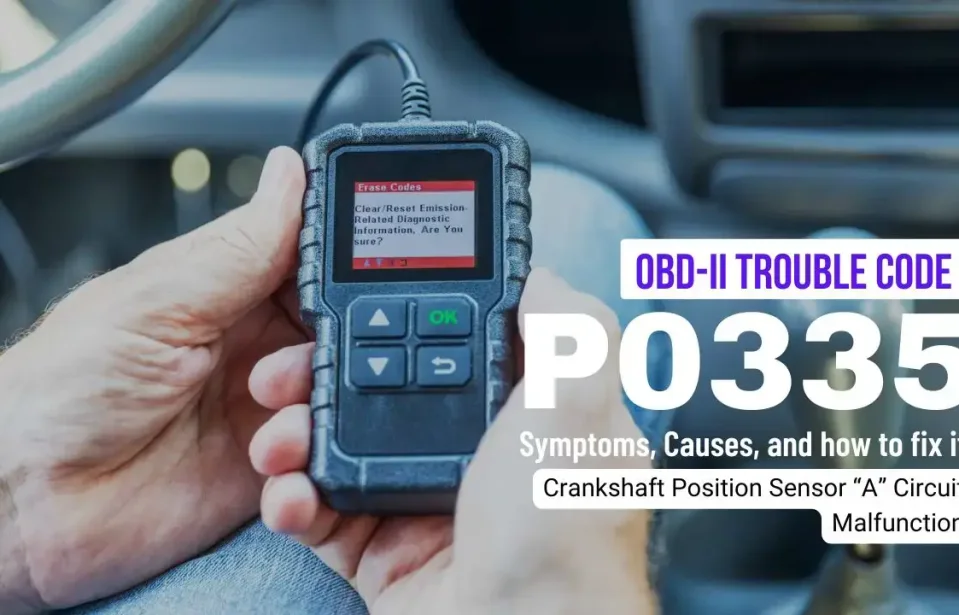
When you first get in your car to drive to work, what is the first thought that comes to mind? What is the position of your crankshaft when you get into your vehicle to go to work in the morning? ...
P0304 Cylinder 4 Misfire Detected Fault: What is it ?
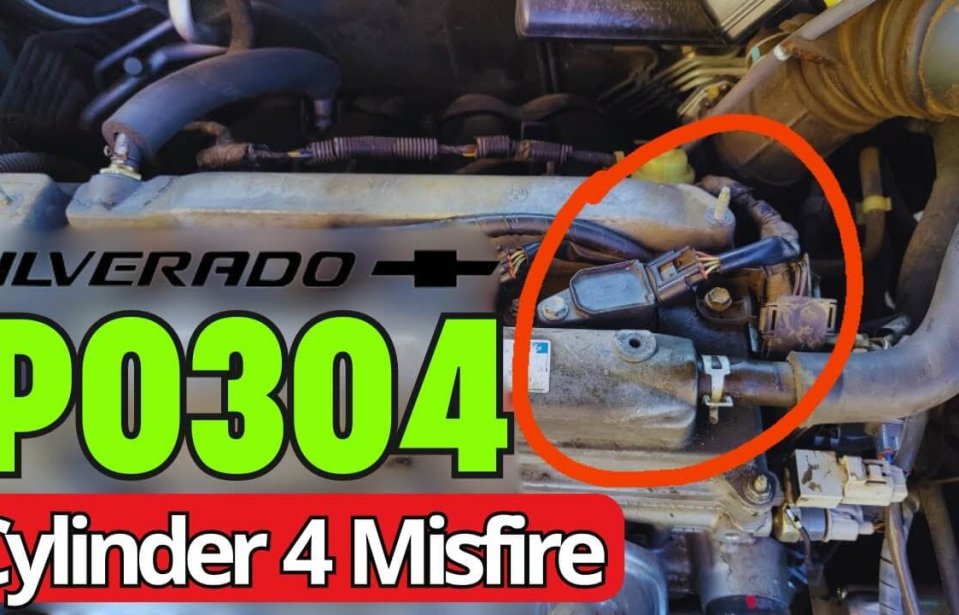
The vehicle computer (PCM/ECM/ECU), detects multiple misfires on cylinder 4. The P0304 code can appear with other codes such as rich/lean fuel or misfire codes. The ECU monitors ignition timing for all cylinders. It will set the fault code if ...
P2138 Throttle/Pedal Position Sensor/Switch ‘D’/’E’ Voltage Correlation Fault: What is it?
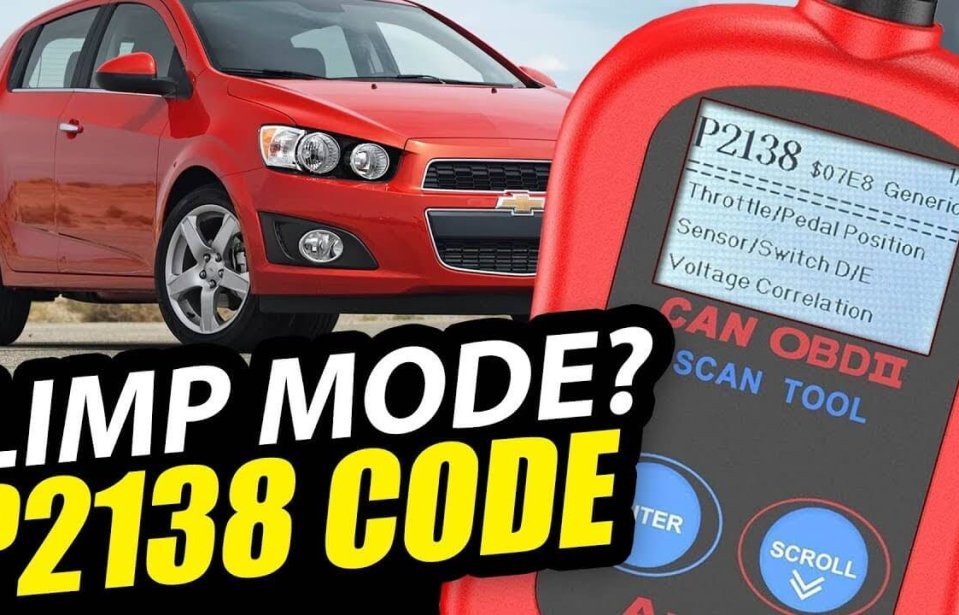
It is important to know the history of the throttle valve and the impact it had on automotive design in the 1990s. The design of vehicles produced before 1990 was relatively simple compared to the computer-controlled models we see today. ...
P2509 ECM/PCM Power Input Signal Intermittent Fault: What is it?
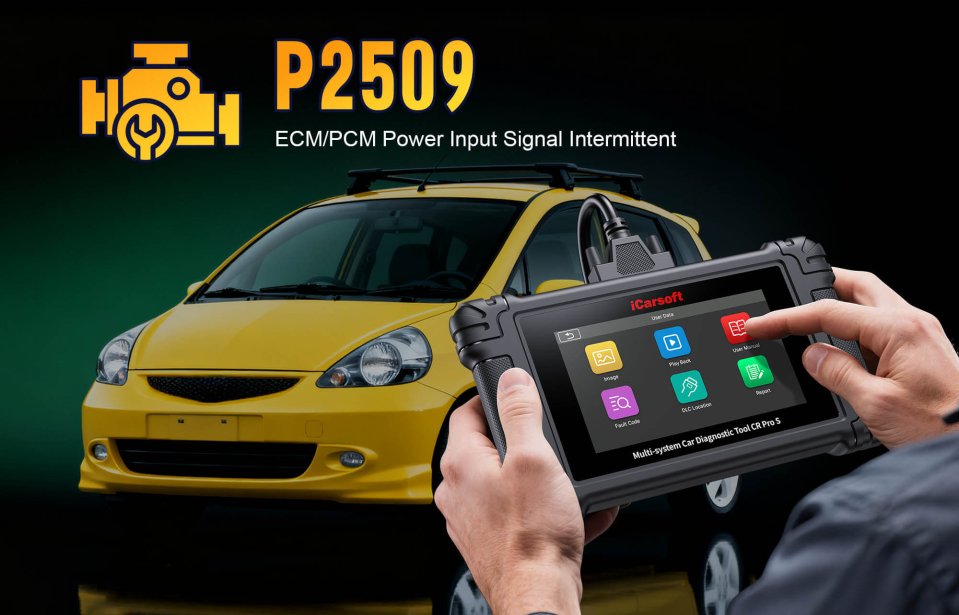
The power transmission system control modules (PCM/ECM), which receives information from multiple circuits, displays the fault code P2509. The ECM is supplied with voltage via a contact relay. In the contact relay, you will find circuits for battery voltage, chassis ...