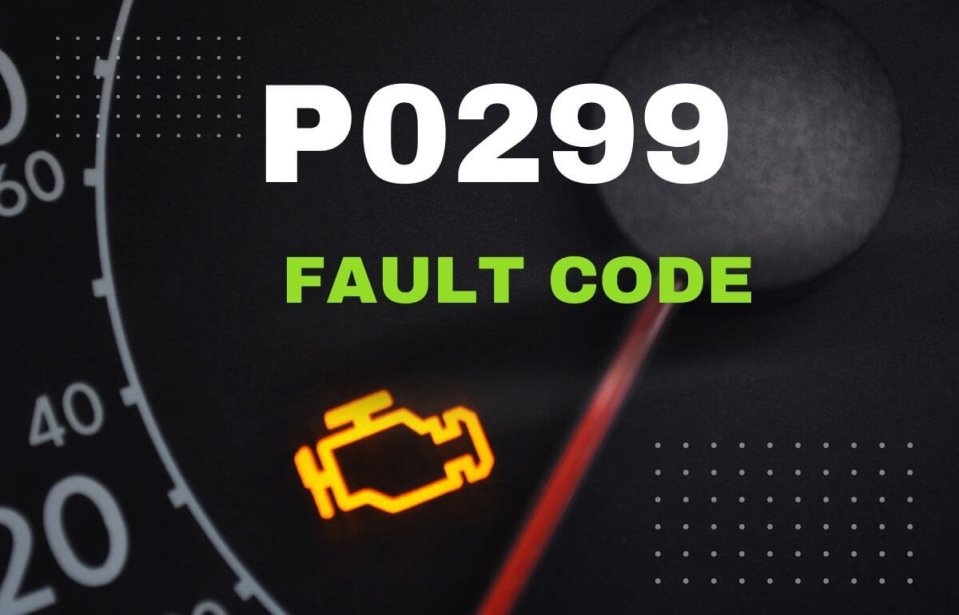
If you receive the fault code P0299 it means that there is a problem in your turbocharger. This code is displayed when the pressure in the ‘A” bank is not sufficient. The affected vehicle brands are Ford, GMC Chevy, VW, Audi, Dodge, Hyundai, BMW, Mercedes-Benz, Ram, Fiat. This additional air pressure will allow your engine to produce greater power.
Turbochargers work with the exhaust outlet of the engine and use a turbocharger to force air into it. Superchargers are typically mounted on the intake side of an engine, and use a motor to supply additional air to the engine. Depending on whether your vehicle is turbocharged or supercharged, the problem could be at the intake or exhaust end of the engine. Repair steps will vary depending on the vehicle model and make. Some manufacturers use different superchargers and turbochargers.
Table of Contents
What are the symptoms of fault code P0299?
You may experience a variety of symptoms depending on the severity. The engine fault light may come on because of a slight drop in pressure. In severe cases, engine power can be reduced significantly. The ECU can put the vehicle in protection mode. The protection mode is used to protect the engine from further damage. You may hear unusual noises during normal engine operation.
- Check engine light will illuminate
- Some vehicles may enter engine protection mode (Limp Mode)
- Engine performance is reduced significantly
- Unusual sound from the turbo/engine
What Causes the P0299 Fault Code?
This code is usually caused by an intake air leak or restriction. A turbocharger that has seized up or a pressure sensor with a fault are also common causes. Causes can vary depending on your vehicle’s brand.
- Turbo or supercharger failure
- Cracked turbomanifold
- Low oil pressure in engine
- A fault in the EGR system
- Air intake leaks or restriction
- Faulty booster pressure sensor
- Faulty Wastegate Bypass Regulator (VW)
- Low fuel pressure (Isuzu)
- Turbo nozzle solenoid sticking (Isuzu)
- Faulty injector control pressure (ICP) sensor (Ford)
- Ford – Actuator for the Variable Geometry Turbocharger (VGT)
- VGT vane sticking (Ford)

This fault code can be set in Ford vehicles by a stuck VGT, a variable-geometry turbocharger actuator or an EGR system that is faulty. It may also be set when the oil pressure drops, and it could even happen if there’s a problem with an ICP sensor.
This problem may occur in Volkswagen vehicles due to a defective wastegate bypass regulator.
The P0299 fault code may be caused by a stuck turbo nozzle solenoid or an insufficient fuel level.
Along with this fault code, other fault codes may also be displayed. Before attempting to solve the problem, it is important to check other codes. All sensors and systems can be affected by an issue with the air pressure of the engine.
How to Fix P0299 Fault?
You must check the turbo system after resolving any other fault codes to ensure that there are no loose or damaged parts. The most common reason for the P0299 code is a crack, blockage or loose connection within the system.
If you still have a problem with your vehicle’s pressure, it could be caused by a defect in the manufacturer. Consult the technical service bulletins of the manufacturer. You may find that your turbocharger or supercharger system has a unique design.
- Replacement turbocharger or supercharger unit
- Repair the intake system
- EGR Replacement
- Turbo pressure sensor replacement
- Low engine oil pressure can be repaired
How Important is Fault Code P0299?
If left unresolved the fault code P0299 can cause serious mechanical problems. The vehicle should be repaired immediately if any driving or mechanical problems are noticed. When a turbocharger fails, the vehicle can suffer costly engine damage.
If a turbocharger malfunctions, it is possible that a piece of the turbine will be drawn into the engine. Stop the vehicle in a safe place if you hear a mechanical noise and experience sudden power loss.