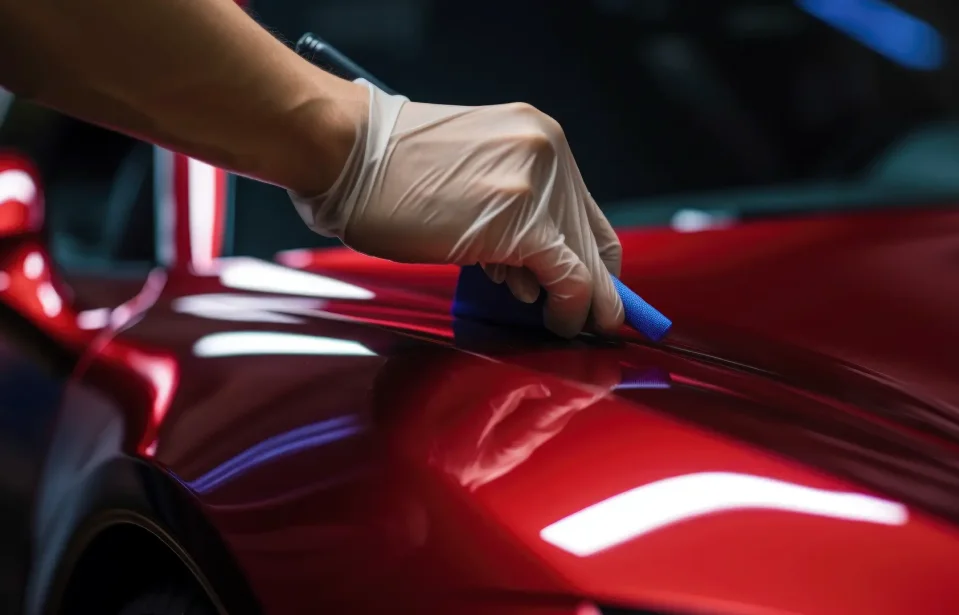
A ceramic coating protects the surface of a vehicle from environmental factors. It creates a glossy, hard layer that protects the vehicle surface from environmental factors such as acid rain and harmful UV rays. The water repellent effect allows water to bead and run off of the surface. It makes it easier to clean the vehicle and reduces dirt accumulation.
Table of Contents
Why Is Ceramic Coating Applied?
The ceramic coating on cars offers many benefits to car owners. This application offers several benefits.
- It gives a deep shine that makes the car look like it was just polished.
- Water and mud can’t adhere to the surface due to its hydrophobic nature.
- The vehicle remains cleaner as dirt, dust, and stains are less likely to adhere to the surface.
- Reduces the harmful effects of cleaning and detergent products.
The advantages of this process include a more attractive appearance, longer-lasting paint protection, and reduced maintenance.

What is Ceramic Coating Used for on Cars?
The exterior surface protection helps to maintain the vehicle’s performance and appearance over time. The protective layer also protects against the chemical residues, exhaust fumes and other pollutants that can be generated by heavy traffic in cities. This prevents paint wear on vehicles that are frequently washed. The vehicle’s paintwork will suffer less wear and maintain a longer lifespan. The process makes it harder for permanent stains to penetrate, like bird droppings and fruit that falls from trees.
How Long Does Ceramic Coating Last?
Ceramic coatings for automobiles can last between 2 and 5 years, depending on the type of product used and how well it is applied. The protection layer can last from 2 to 5 years. To extend the lifespan of your protective layer, it is important to maintain it regularly. You may need to wash your vehicle manually using cleaning products recommended instead of automatic car washes. Regularly inspecting the surface will help maintain the effectiveness of the treatment.

How long does it take to apply ceramic coating to a vehicle?
The application takes a long time to complete because it must be done in detail and with precision. Processing time can range between 6 to 12 hours for a passenger car. The process of applying ceramic coating to headlights is one that should be done by professionals. The time required for application can vary depending on factors such as the size of your vehicle, its condition and number of layers. Each layer must be allowed to dry for a specific time.
How many days after ceramic coating can the car be washed?
After application, the vehicle must be protected from external elements for a specified period of time. The waiting time can vary from 5 to 7 days. The coating will adhere to the surface completely and become durable during this process. The vehicle should not be washed right after the process. It must also not be exposed to sunlight or rain for long periods. The protective layer can deteriorate and lose its effectiveness if it is not allowed to fully cure. The first wash should be performed using microfibre towels and cleaners that have the correct pH level. Pressurised water and automatic brush cleaning systems can damage the surface.
How to Wash a Ceramic-Coated Vehicle?
It is important to use a method that is meticulous and careful when cleaning exterior ceramic coated vehicles. Washing gloves or microfibre soft sponges are recommended for the cleaning process. Microfibre cloths can be used to dry. Avoid using chemical-based cleaners or high-pressured water. Instead, use a toothbrush. Cleaning your vehicle regularly will ensure that it always looks good.
How to Remove Scratches from Ceramic?
Ceramic coatings are scratch resistant, but not 100%. Polish can be used to remove fine scratches. If the scratches are deep, it may be necessary to replace the protective layer. The existing coating will be removed and the surface prepared before a new application.
How to Remove Ceramic Coating from a Vehicle?
Normal washing is not sufficient to remove ceramic coating. During application, special methods and chemicals are employed. One of the most efficient methods is professional polishing. This weakens and separates the coating from the surface. The vehicle’s exterior is first cleaned. The coating is then abraded using polishing products of fine or medium grade in a controlled way. This application requires care and must be done without damaging the paintwork. This is not something you should try at home as the wrong products or incorrect techniques could damage your paintwork.
How to Recognise Ceramic Coating on a Vehicle?
This process is not always visible. To determine if this process was applied, you should note the following:
- When you run your hand along the bodywork, you may notice a smoothness.
- The surface of the paint has a reflective, mirror-like appearance and vibrant colour depth.
- Droplets of water form on its surface when it is wetted. They run off rapidly.
- The vehicle dries much faster than usual and leaves no water stains.
There may be an additional coating on your vehicle’s paintwork if these traits are all present.
Which Vehicles Can Be Ceramic Coated?
It is a very effective method of protecting paint and can be used on all vehicles. This process can be used on cars, SUVs and motorcycles as well as caravans, commercial vehicles, and caravans. It preserves the original shine of paint for many years when applied to newly purchased vehicles with zero mileage. The process is performed on second-hand cars after minor scratches are removed, giving them a new look. The process can also reduce the long-term costs of maintaining corporate fleet vehicles. The cost of ceramic coatings is determined by the type of product used, its brand, how many layers are applied, and what segment of vehicle it is.